Space biomedicine
Exploring how the space environment may influence biological systems and human health.
Our purpose
To harness the unique conditions of space to accelerate discovery and advance new therapeutics for people on Earth.
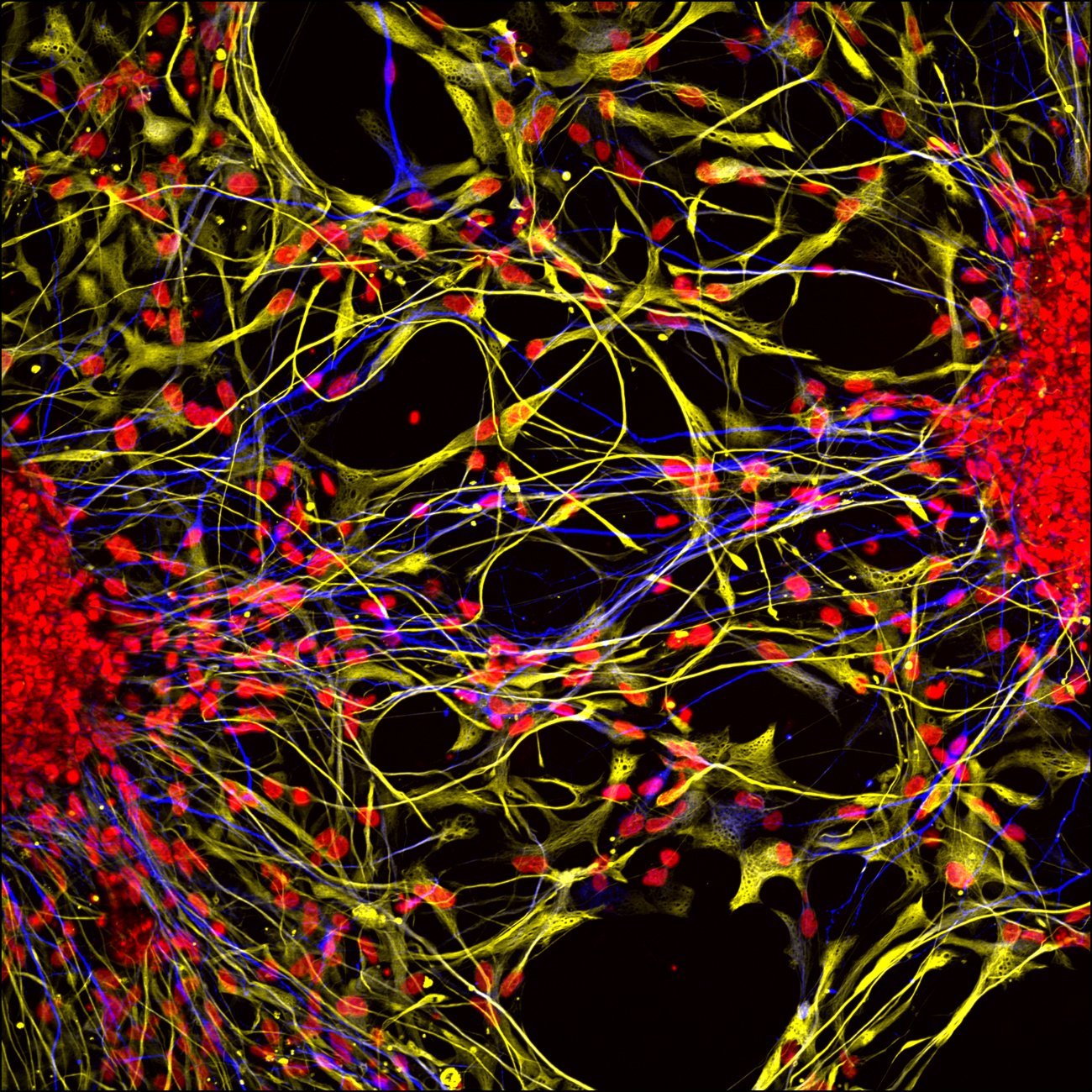
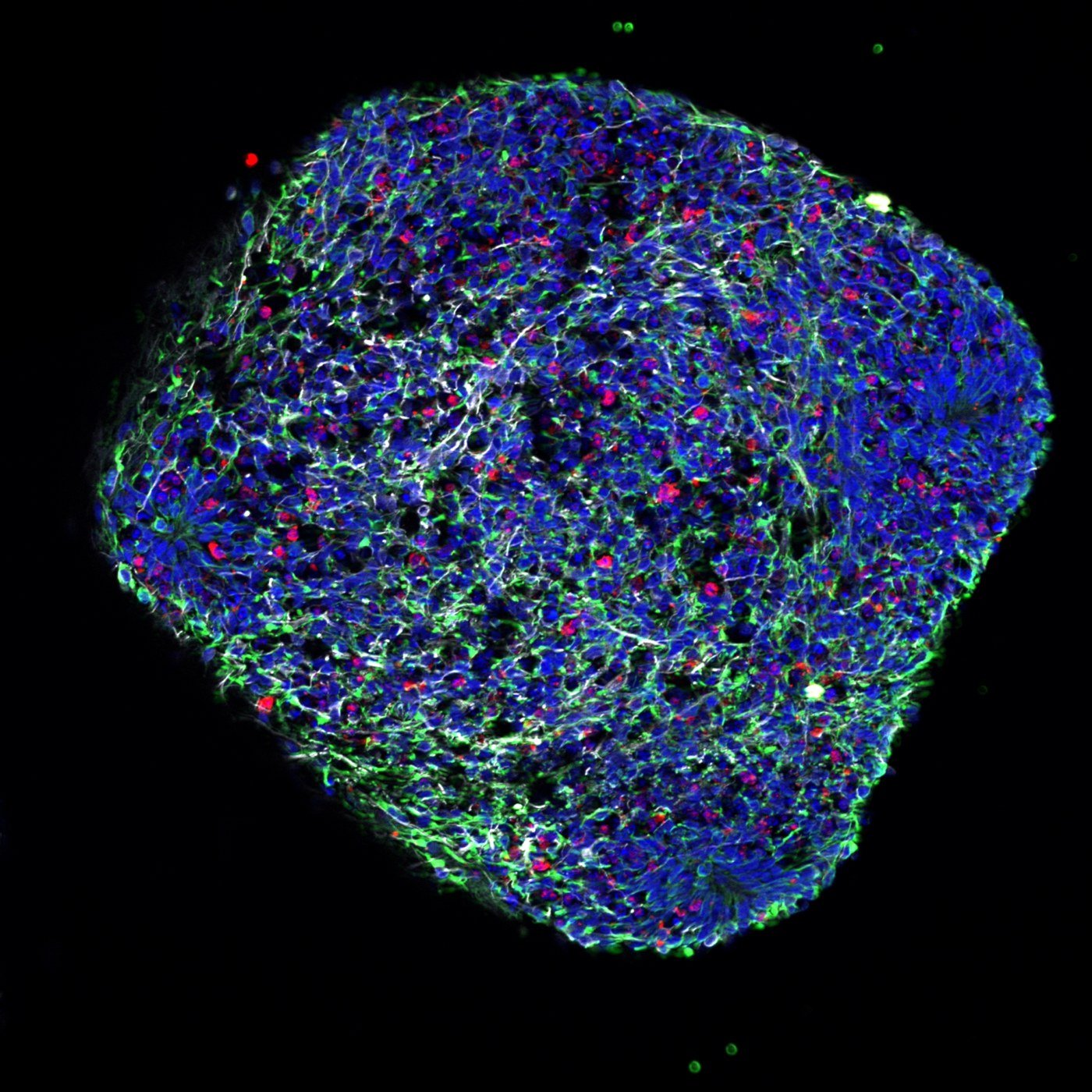
Doxa Space uses space-induced cellular aging and human brain organoids to discover and evaluate therapies for neurological disease. We work with commercial spaceflight leaders and partner with biotech, pharma and research agencies to turn evidence from orbit into decisions on Earth.
Doxa Space brings together scientists who sent the first human brain organoids to space, neuroscientists trained at NIH and Stanford, and entrepreneurs who have built institutions and companies from the ground up. We share one conviction: that looking at human life from orbit can reveal answers we cannot see on Earth, and we are here to help turn those answers into new therapies for people. Behind every experiment we fly are the patients and families still waiting for a treatment, and helping them is what drives us every day.
Our founders pioneered human cell and organoid research in space, with more than a decade of designing, flying and analyzing these experiments.
We hold exclusive licenses to UC San Diego IP on aging cells in space, cell lines and organoid methods.
Doxa Space has received a US$10 million non-dilutive NASA In Space Production Applications (InSPA) award to advance therapeutic research using human brain organoids in low Earth orbit.
We work with leading space companies, including ISS, SpaceX, Vast, Varda and others, to take experiments from the lab to orbit.
We work closely with biotech teams to repurpose and adapt research devices for reliable performance in space.
Our focus
Exploring how the space environment may influence biological systems and human health.
Investigating advanced biological models to deepen our understanding of human biology and disease.
Exploring opportunities at the intersection of space research, drug discovery and pharmaceutical development.
Pursuing discoveries that may translate into new scientific and biomedical opportunities on Earth.
Flight heritage
9
Missions flown
7
SpaceX flights since 2019
10
Missions planned between 2027 & 2030
Flights to the International Space Station
2019
CRS-18
1 mission
2020
CRS-21
1 mission
2022
CRS-25
1 mission
2023
CRS-29
2 missions
2024
CRS-30
2 missions
2024
CRS-31
1 mission
2025
CRS-33
1 mission
7‑month endurance
2027–2030
10 planned
Testing drugs against Alzheimer’s, glioblastoma and other neurological disorders.
Our team
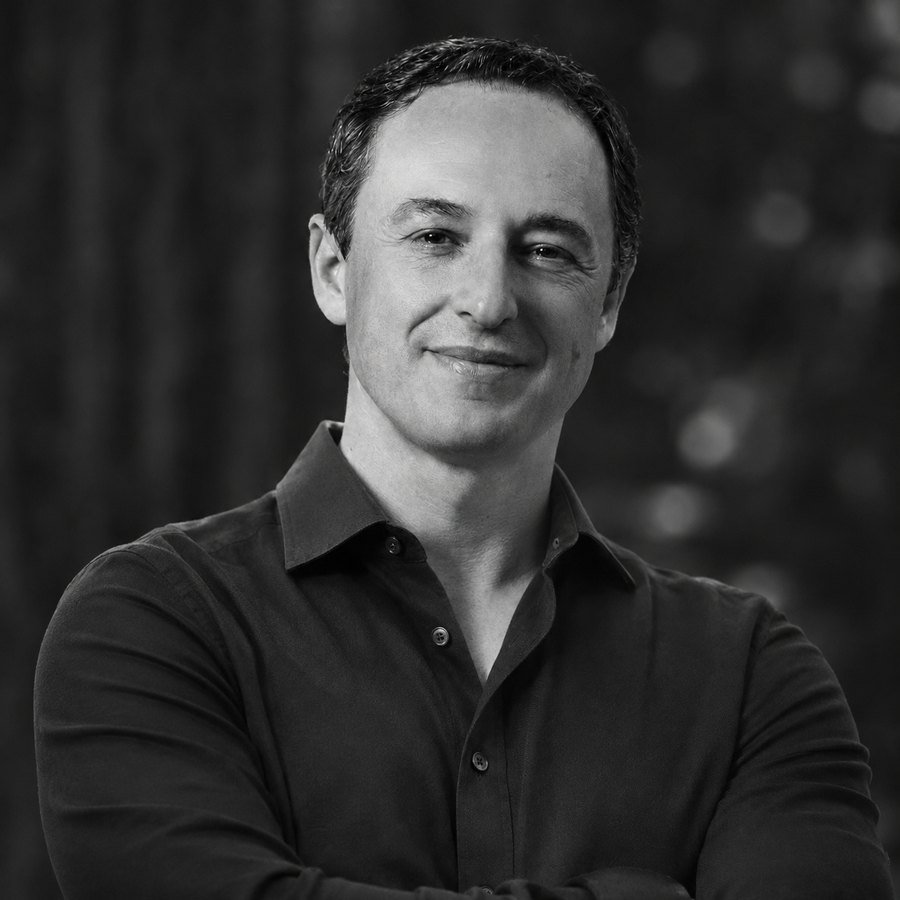
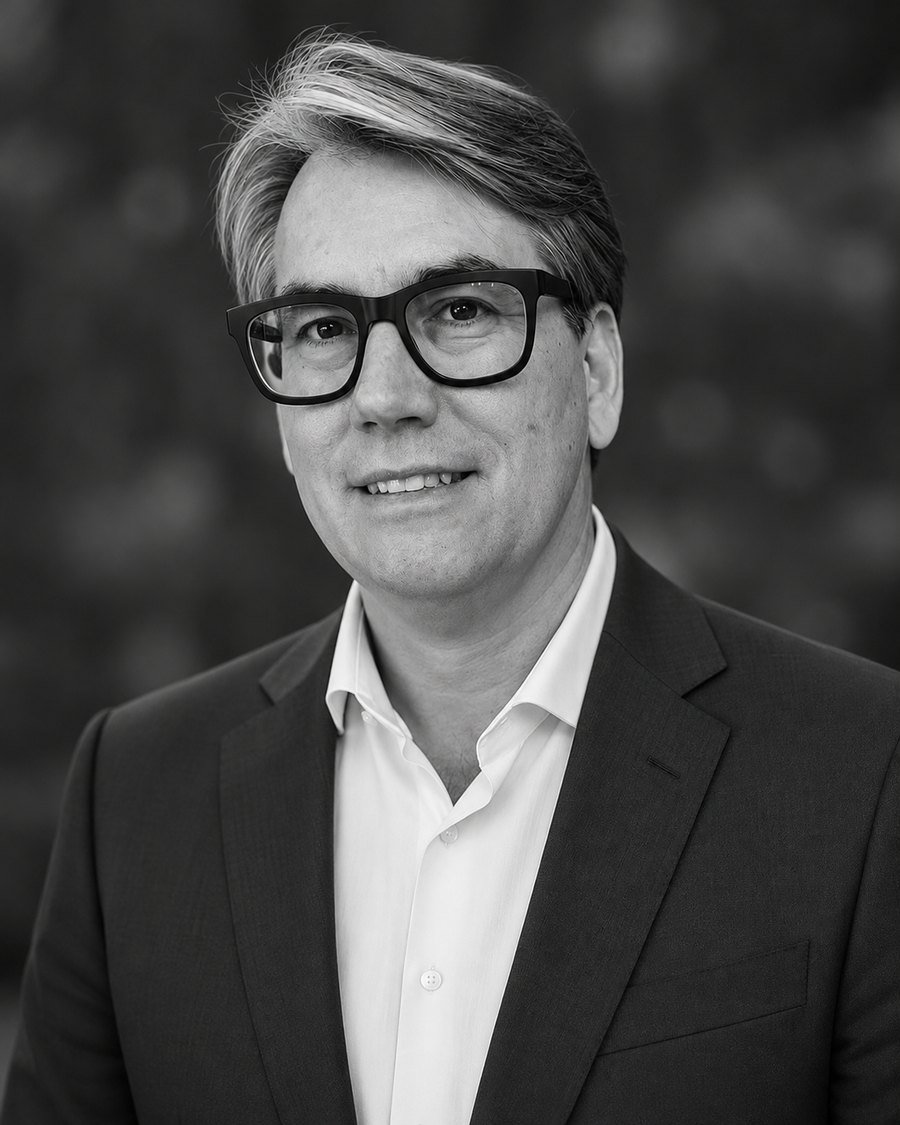
Co-founder & President
Led the first mission of human brain organoids to the International Space Station, in 2019.
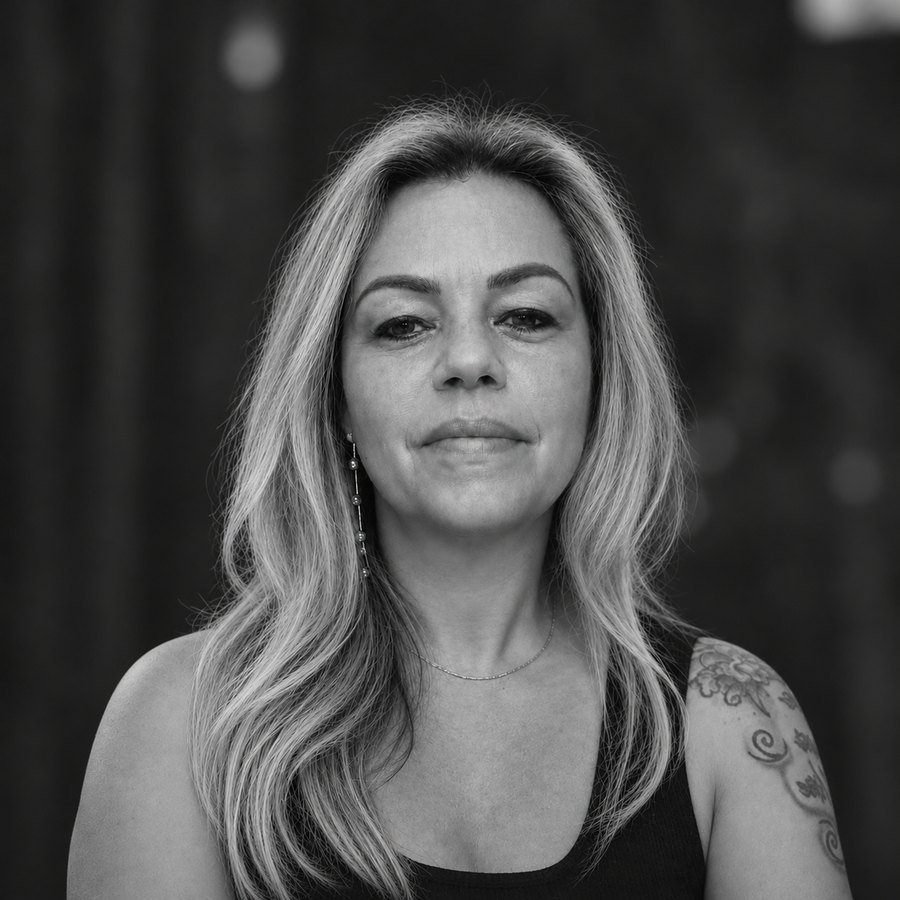
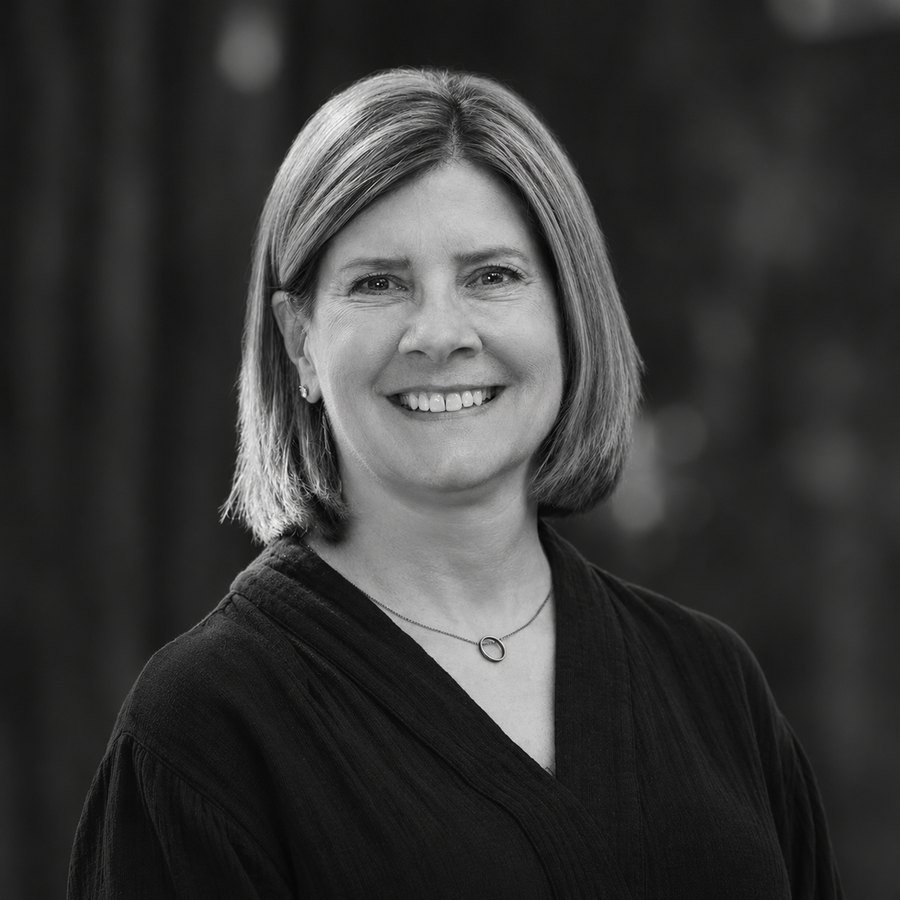
Co-founder & Chief Scientific Officer
Designs, flies and analyzes brain organoid from experiments in orbit.
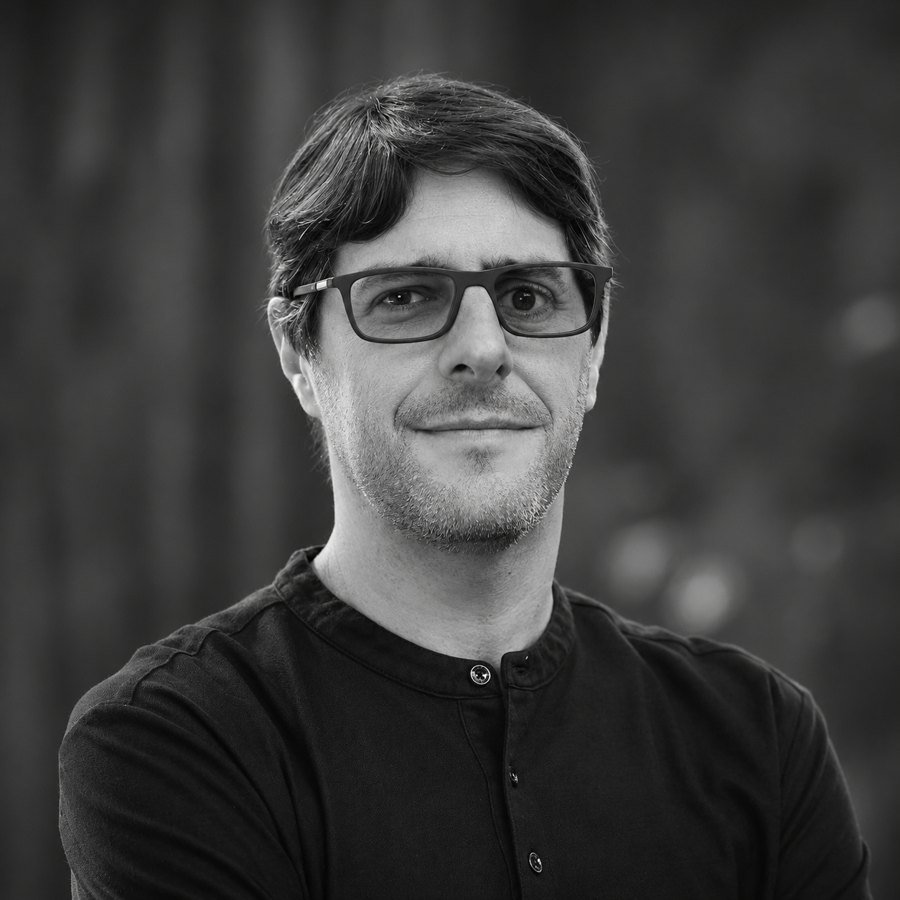
Co-founder & Director
Neurologist and neuroscientist, co-founder and board chair of IDOR.
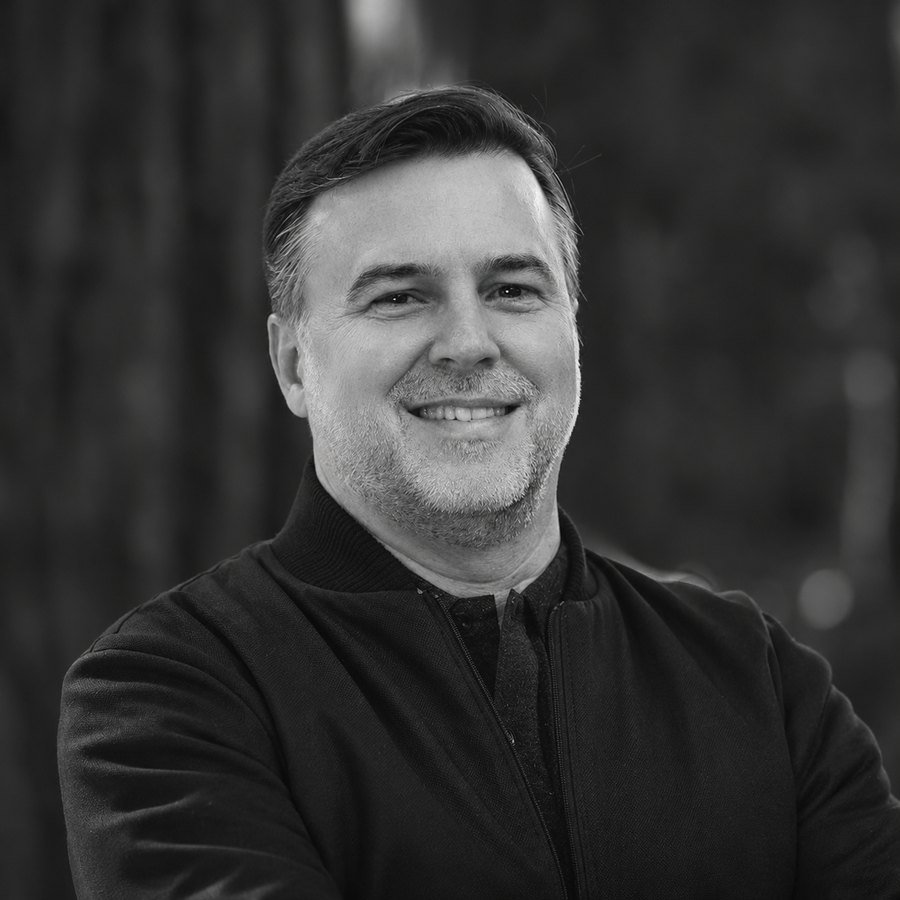
Co-founder & Director
Executive and entrepreneur with nearly 30 years in strategy and operations.
Legal Manager
Over 25 years in corporate law, business strategy and contract management.
Finance & Operations Manager
More than 25 years as COO and CFO for private and public foundations.
A new frontier
The universe is not only a place to explore. It is an opportunity to ask new questions, challenge familiar assumptions, and expand what science can make possible.
{{t.purposeLabel}}
{{t.purpose}}
{{t.mission}}
{{t.who}}
{{it.text}}
{{t.focusLabel}}
{{t.f1d}}
{{t.f2d}}
{{t.f3d}}
{{t.f4d}}
{{fh.label}}
{{st.n}}
{{st.label}}
{{fh.trackLabel}}
{{f.year}}
{{f.code}}
{{f.count}}
{{f.detail}}
{{f.note}}
{{t.teamLabel}}
{{p.role}}
{{p.line}}
{{p.bio}}
{{t.frontier}}
{{t.perspectiveText}}